Close

Get in Touch

    WHAT IS YOUR PROJECT ABOUT?

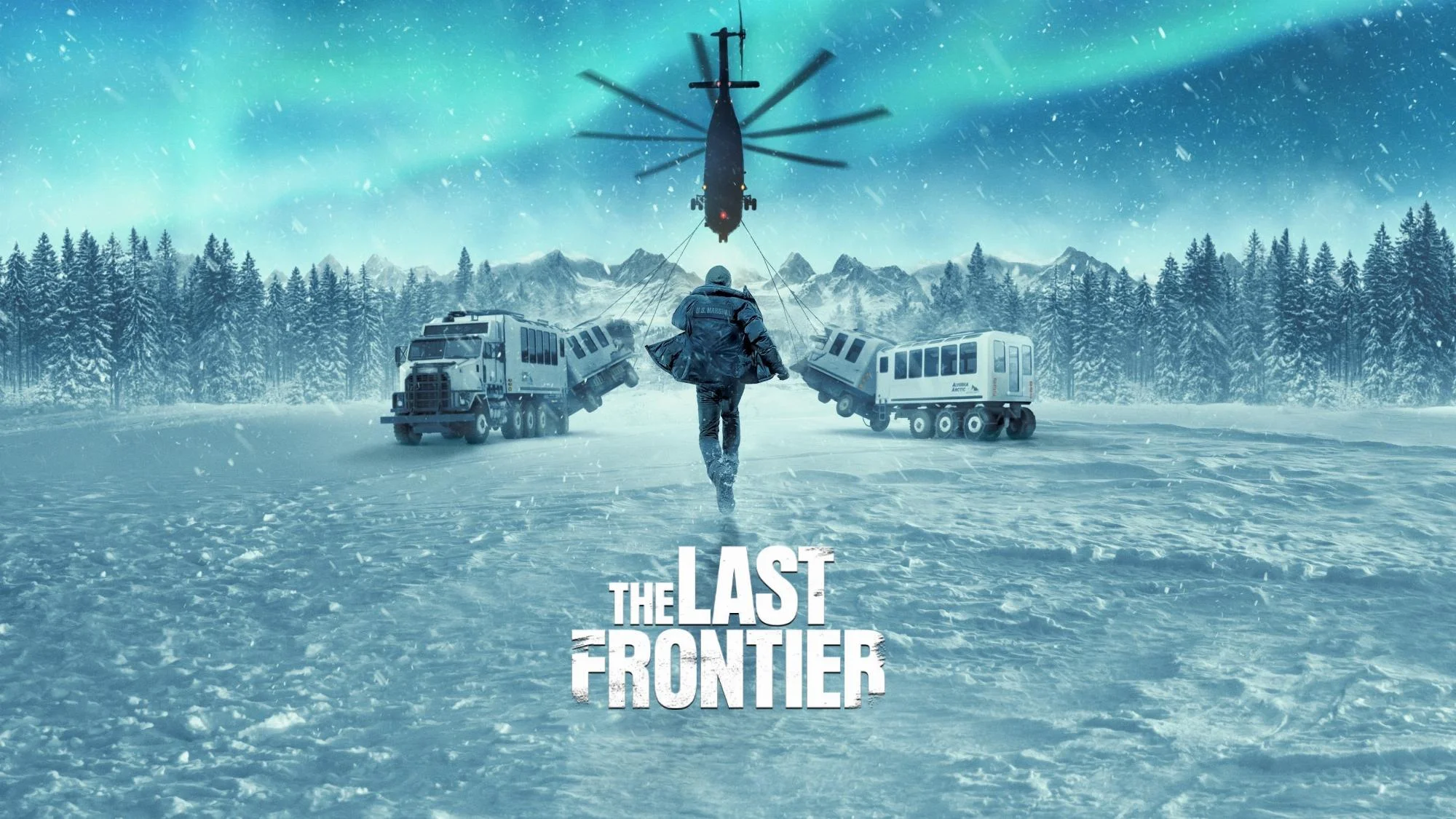
    BOT team brings in the cold with “The Last Frontier”!

    The Last Frontier TV Series Follows Frank Remnick, a U.S. Marshal in charge of the quiet and weathered barrens of Alaska, as he needs to deal with a prison transport plane crash full of violent inmates inside his jurisdiction. Across more than 350 shots, the BOTs dug into everything from tricky paint-outs and monitor/phone comps to a steady stream of snow continuity fixes and subtle touch-ups. Whether it was scrubbing out the modern world or keeping the frost looking fresh, BOT brought a steady hand and a sharp eye to every frame.
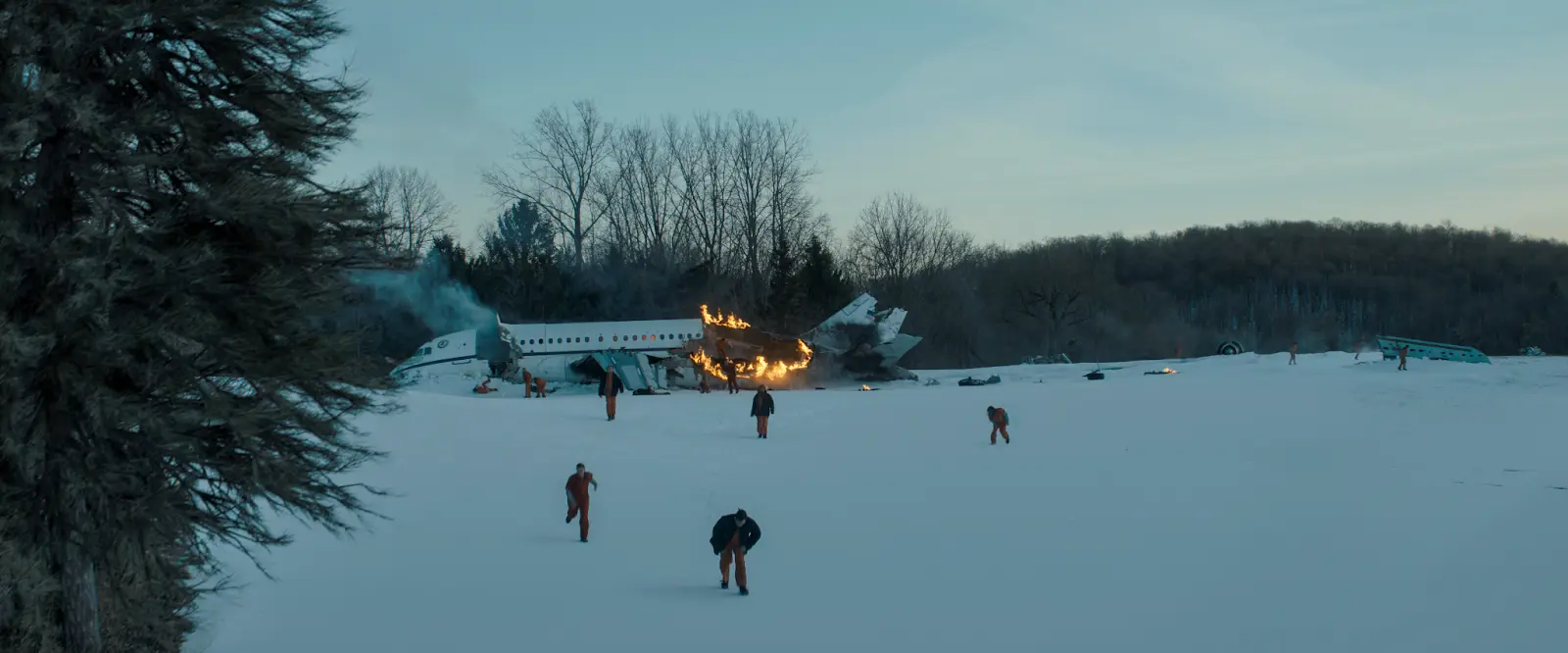
    The last FronterTry as they might, the studio could not control the weather during shooting so BOT came in with digital flurries and snow FX to help the continuity. Sunny days with dry roads needed replacements with overcast sky, dulled car reflections, and snow flocked environments. As well as a sequence of dynamic drone shots of a running dog sled team where BOT miraculously swapped out the plowed road for fresh powder creating dog footprints and sled trails behind them.

    The show is set in a remote location of Alaska. During production, with a lot of people and vehicles going to and fro, it was often necessary to paint out the footprints and tracks left behind to restore the set to pristine condition. BOTs talented paint artists went to work, peeling back the layers of crunched show and slush, restoring the feeling of wilderness and loneliness. BOT was also called on to make sceneries more wild, removing signs of nearby villages and ski resorts.

    “Working with Edwin Rivera, the show’s VFX Supervisor, was a real pleasure”, recounts show EP Natasha Anne Francis. “He is super organized, quick to make decisions and great at being focused through the process. He’s a master class at work on supervision!” BOT’s own production team included the seasoned Supervisor Sean Pollack who led the team on weekly calls, found an easy groove with Edwin from the start and was able to bring the work to final, expertly and on time.

    David Robinson, the show’s VFX Producer had this to say at the end of the season: “We’ve said it all along, and we’ll say it again I’m sure – it has been such a pleasure working with all of you. The fantastic (and fast) work you have done for Foxtrot has been so valued not only by our VFX team, but by the filmmakers and everyone at Apple. The success of the VFX on this show is in no small part thanks to you and the rest of your talented team. Many, many thanks from all of us!!!”. We know we will be watching all the episodes and can’t wait to see what happens on The Last Frontier.
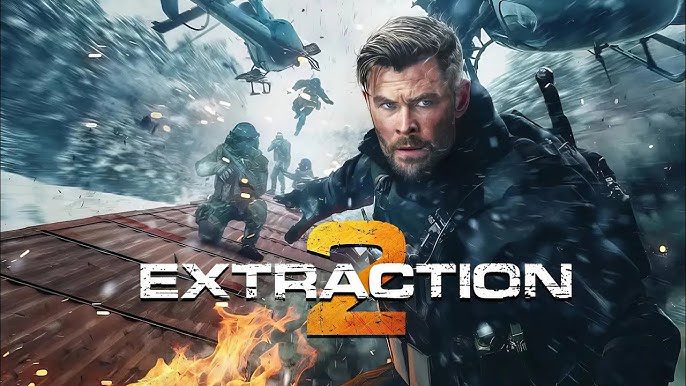
    BOT VFX’s Mastery Unleashed: Extraction 2’s Director and Team Honored for Groundbreaking Work


    In the fast-paced world of action cinema, visual effects play a pivotal role in elevating the audience’s experience. Much-awaited Extraction 2 – starring Chris Hemsworth is no exception to this and we eagerly count down its release on 16th June 2023 on Netflix. Collaborating once again with the renowned directors Anthony and Joe Russo was constant source of inspiration for the bot artists. A team of more than 30 talented artisans, worked tirelessly on this project. With careful attention to detail, the Bot team led by Supervisor John Britto supported by our Prep Supervisor Karpagaraja contributed to over 200 shots by adding some seamless invisible effects to the film. A few of our highlights on our work involves deftly removing safety wires, rigs, and many other unwanted elements. The Bots also delicately stabilized and retimed footage to ensure a more immersive experience for the audience.

    One of the most gratifying moments during this project was the VFX Appreciation Call, where we were invited by the Russo Brothers, and the Visual Effects Production team along with the Netflix team in Los Angeles. Being recognized for our contributions to Extraction 2 was an absolute honor. The call was spearheaded by the esteemed filmmaker Joe Russo and their appreciation was a sheer testament to the dedicated efforts and craftsmanship that went into every frame.

    This accolade is another feather to the cap in BOT VFX’s journey and readiness to take on even more ambitious projects in the future. We are grateful for all the opportunities that provide us with a platform to showcase our artistry skills at a global scale.


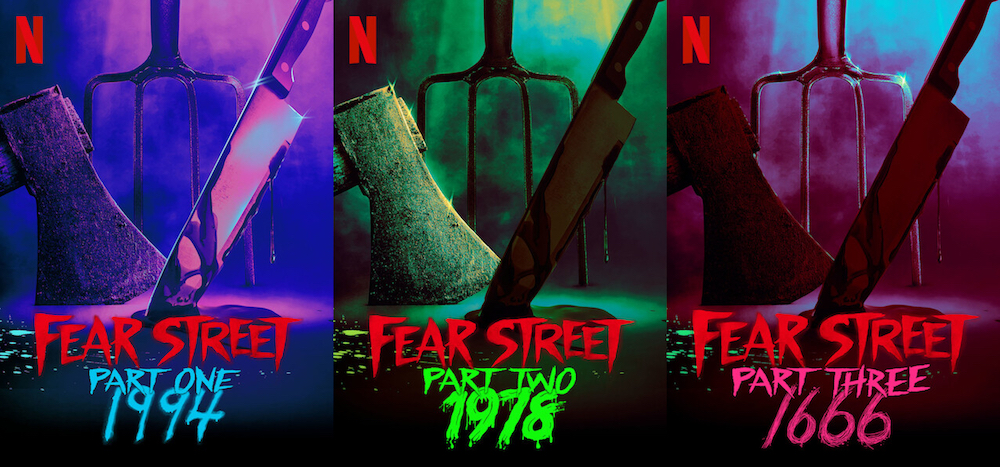
    BOT Adds Spook Factor to Netflix ‘Fear Street’

    BOT heated up the 2021 summer streaming season with VFX work on the Netflix Fear Street trilogy:  Part One – 1994, Part Two – 1978, and Part Three – 1666.  The trilogy is inspired by the teenage horror fiction series written by American author R. L. Stine

    Creative inspiration for the trilogy came from director Leigh Janiak, a longtime Fear Street fan.  She tapped BOT’s deep bench for not just the basic VFX tasks, but also complex challenges like “can’t do that on set” fixes, and “wouldn’t that be cool” enhancements to the raw footage. 

    “When we started with Fear Street, we were expecting maybe 50 shots, but by the time we were done, it had exploded to over 700!  So you could say we had a blast working on this show,” quipped Hetal Jain, BOT VFX Executive Producer.  “The creative needs ended up being much more technically complex than we had anticipated, and some of the deadlines were really tough – especially with having to work from home – but our team loved stepping up to these challenges.  Working so closely with Leigh and her team was scary fun.” 

    Our team of artists was led by Sean Pollack, VFX Supervisor for BOT’s work on Fear Street. “Leigh had a big vision for these stories. It pushed our artists to tap into their deepest wells of creativity and capacity.”   

    First we cleaned things up:  ‘whoops’ removals, day-for-night, adding shadows, and the like. Then BOT used CG dazzle to craft a lot of things that look real, but in real life, you just can’t do during filming.  We directed smoke to follow the direction of an invisible wind. We turned floppy rubber prop knives to glinting steel. We added a menacing CG lobster. We set a wall full of 20+ clocks to identical times.  We made intact arms, hands, and legs look like they had been severed … obviously, you can’t do that on set! 

    But we didn’t stop there. Lastly, as the final icing on the freaky cake, the team created “wouldn’t it be cool” drama-enhancing tweaks:  adding damage to dummies and doors, making explosions bigger, and layering more signs of struggle onto unfortunate victims who didn’t look dead enough. We tied people up with CG coiled phone cords. We added a lot of CG blood (bleeding noses, pools of blood, blood splatters … you get the idea). Deeper shadows and lightning flashes also amped up the creepy factor. 

    “Our paint and comp team ‘killed it’ with extensive set cleanup and impossible super slow mos that required us to stretch the character motion from a few frames into seconds-long shots.  The team’s patience and attention to detail is unmatched, and it shows in the work,” confirms Pollack. “We found a way to handle everything the director’s creative mind thought up. We thoroughly enjoyed everyone involved and can’t wait to do the next project with Leigh and her team!” 


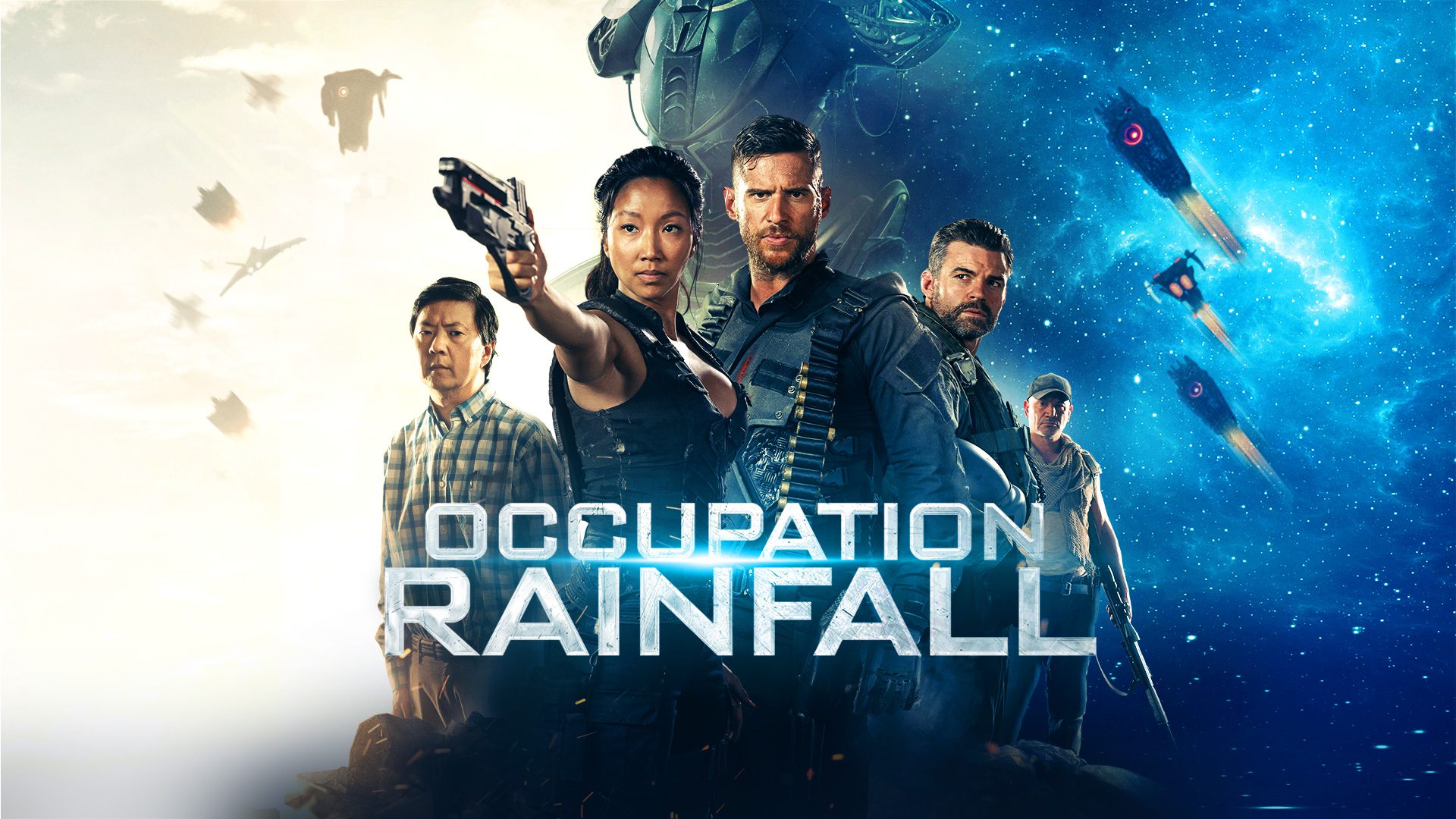
    BOT Brings Aliens to Life for Occupation: Rainfall

    When Australian writer/director Luke Sparke needed to infuse aliens into his rollicking post-apocalyptic storyline in the film “Occupation: Rainfall”, his team turned to BOT VFX.  The storyline required numerous bi-ped alien creatures that were interspersed across many scenes throughout the film.  The project was demanding because the CG creatures had to hold up to a wide variety of action-packed and drama sequences, often with heavy interactions with human characters, and some of the creatures had speaking roles.  

    In signing on to bring these alien creatures to life, BOT accepted a set of challenges that covered the full range of involvement from concept art to shot finaling, testing the team’s creativity and stamina, and pushing BOT’s CG pipeline to full capacity. 

    Giving Birth to Aliens

    First, the production team provided some high level concept art and asked the BOT team to run from there.  Given the tight deadlines, the BOT team wasted no time in brainstorming detailed character concepts, textures, and looks, providing the client with many references to quickly converge to some locked creature models.  Decisions ranging from skin color, texture, subsurface scattering, bone structure, and muscle systems were considered as part of the creature birthing.  Once Luke and his team approved the numerous creature characters, the project moved into execution hyperdrive. 

    Then the crafting began in earnest.  There were nine characters in all; each character was sculpted with Zbrush, then pushed into Maya for retopology.  Zbrush was also used to create displacement and normal maps for skin details.  While texturing was happening, the character models were set up with rigging.   

    Stand-ins Alienated

    Each shot involving the alien creatures was filmed with stand-in actors with green suits.  Some shots had as many as 6 different alien creatures.  That meant that each shot, and each creature in the shot, required a series of prep steps to integrate the CG creature, including roto and paint-out of parts of the stand-in actor, rotomation of the stand-in actor’s actions, and camera tracking.  

    The lighting team jumped onto creating proper lighting rigs for each shot and scene.  Look-dev was achieved in Maya Arnold, with detailed texturing and ACES color space maintenance done in Mari and Substance software.  BOT’s comp team masterfully brought together all of the pieces, by first delivering master shots and then cranking through about 226 shots in all.  

    Rising to All Challenges

    BOT relished all of the challenges of this show — the rapid pace, the creativity demanded, and the technical hurdles put in front of them.  “The early involvement in conceiving the characters was exciting, even with the tight timelines.  And managing the large number of shots, and the hundreds of terabytes of data, forced us to work smarter – leveraging tools and techniques like using surface normals to manage lighting adjustments to avoid full re-renders,” said Zameer Hussain, BOT’s VFX Supervisor on the show. 

    “Then there was the fun of coordinating the work across three continents: North America, Australia, and Asia,” Zameer added with a chuckle. “But it was such a rewarding experience, we’d do it all over again without hesitation.”